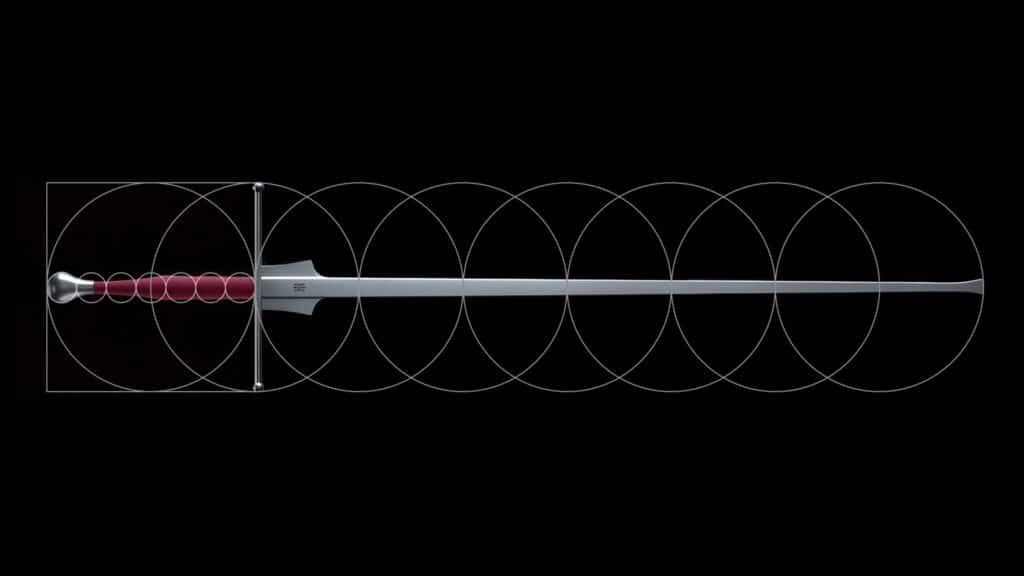
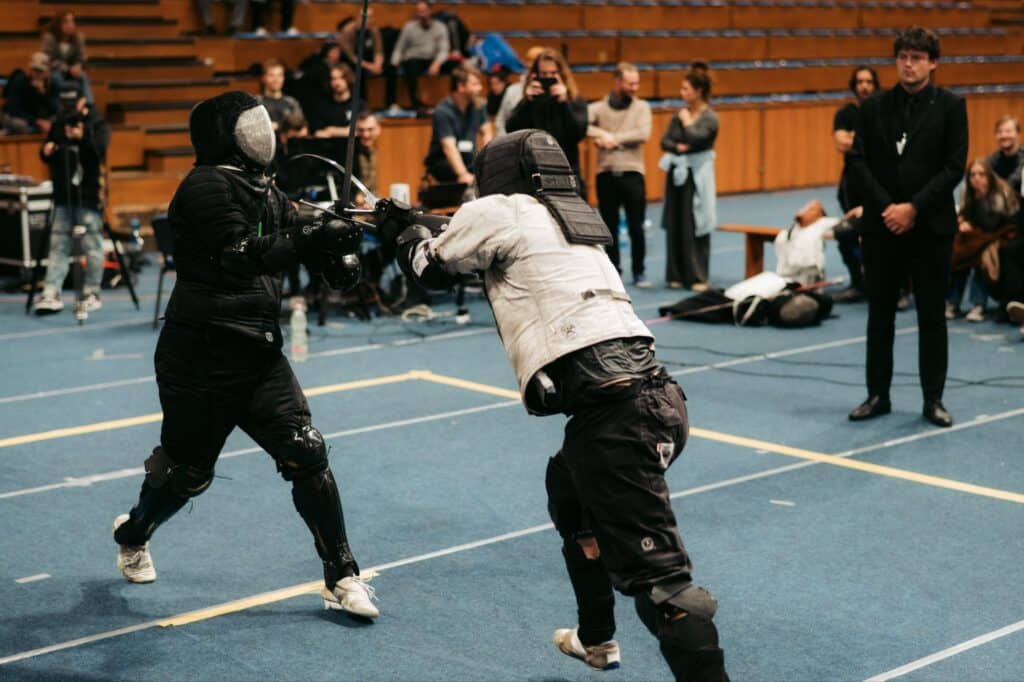
“If your sword doesn’t bend, your sparring partner might!”
Every experienced HEMA fencer knows that sooner or later, a feder may bend during a strong exchange and take a set. This is completely normal and usually nothing to worry about!
It can happen during a particularly strong thrust or even in your first sparring sessions if you’re unlucky. A bent blade doesn’t mean your sword is damaged. After straightening, it can keep serving you reliably for many years.
- A bent feder is normal in HEMA sparring: the blade went past its elastic limit and took a set.
- You can usually straighten it yourself with your foot, gradually and with controlled pressure.
- Afterwards it may bend a little more easily in the same direction. Use the other side of the blade for a while.
- Haft blades are made from spring steel chosen to resist breaking, and our terms cover blade breakage caused by a manufacturing defect for two years.
- Flex is a safety feature: a blade that is too stiff passes more force to your partner.
Why Does a HEMA Sword Bend?
A blade can stay bent when it exceeds its elastic limit and deforms plastically. This usually happens in two situations:
- A very strong, direct thrust, when the blade buckles beyond its elastic limit.
- A thrust against a rigid parry, when your opponent’s blade acts as an obstacle and your blade bends around it.
Both situations are common in HEMA fencing, from club sparring to tournament finals.
How to Straighten a Bent HEMA Sword
Fortunately, a bent blade can usually be straightened quite easily.
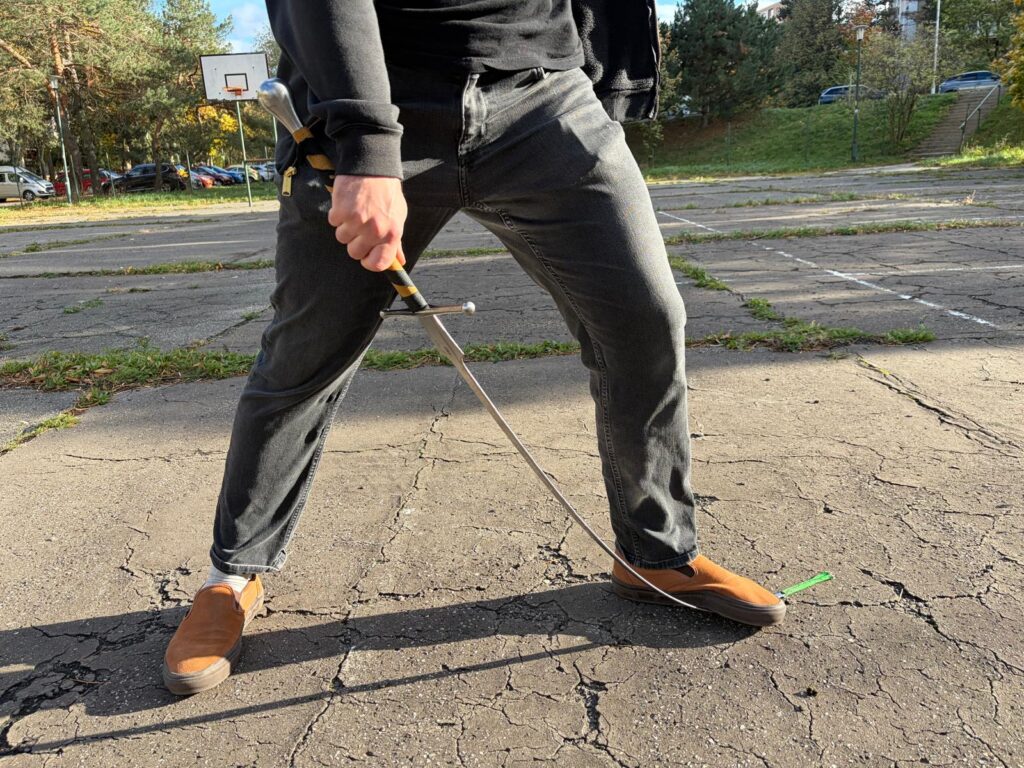
One practical method is to use your foot. Place the sword tip on the ground, position your foot just behind the bent area, and carefully pull the sword towards you, bending it in the opposite direction.
Check the blade after each adjustment and repeat gradually if needed. Don’t be afraid to apply controlled pressure. Our blades can withstand considerable bending.
After Straightening: What to Expect
After straightening, you may notice that the blade bends a little more easily in the same direction. This is a normal result of plastic deformation and residual stresses in the steel.
A simple solution is to use the opposite side of the blade for a while. Like any heavily used sporting equipment, HEMA swords can change their behaviour slightly over time.
Built to Bend, Not to Break
We use steel from the spring steel category, specifically selected for its enhanced ability to withstand substantial plastic deformation before breaking. Our blades can bend like any other HEMA sword, but they are designed to resist fracture.
That’s also why our terms and conditions (Article 7) cover blade breakage caused by a manufacturing defect for two years from delivery.
So don’t panic if your sword bends! In most cases, it can be straightened and used for many more years. If you’re ever concerned about its condition, don’t hesitate to contact our customer service.
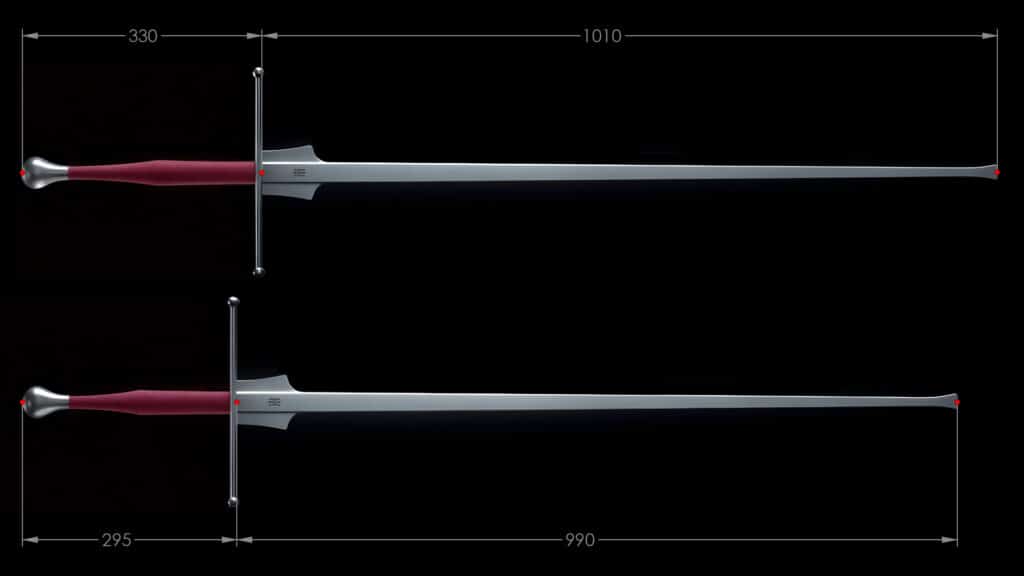
And remember, flexibility is important for safety. A blade that is too stiff can transfer excessive force to your sparring partner. That’s why we publish the pommel flex of the Haft Feder 134 and the Haft Feder 128, measured at a defined 25 cm deflection, instead of a single number without a method.
Frequently Asked Questions
Yes. A blade can stay bent after a very strong thrust or a thrust against a rigid parry. Both are common in HEMA fencing, and it can happen even in your first sparring sessions.
Usually not. A bent blade doesn’t mean your sword is damaged. After straightening, it can keep serving you reliably for many years.
Place the tip on the ground and position your foot just behind the bent area. Carefully pull the sword towards you, bending it in the opposite direction. Check the blade after each adjustment and repeat gradually if needed.
This is a normal result of plastic deformation and residual stresses in the steel. A simple solution is to use the opposite side of the blade for a while.
Flexibility is important for safety. A blade that is too stiff can transfer excessive force to your sparring partner.
In most cases, a bent blade can be straightened and used for many more years. If you’re concerned about its condition, contact our customer service.
Read more: How we measure sword flex · How to choose your first HEMA sword · HAFT 128 vs. 134 · The design of our feder · Club and group orders
Haft Arms news
New feders, restocks and offers, now and then. No spam.